Blue and Black Abstract Backgrounds: Minimalist, Dynamic Textured, and Liquid 3D Design for Modern Creativity
What Are Blue and Black Abstract Backgrounds?
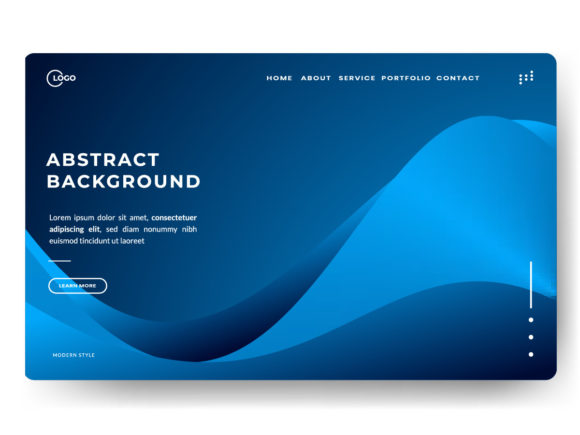
Blue and black abstract backgrounds have become a staple in modern design, especially when it comes to creating visually appealing and professional digital content. These backgrounds typically feature a combination of the deep hues of blue and black, often enhanced with abstract elements such as fluid shapes, dynamic textures, and gradient transitions. The result is a versatile and stylish visual foundation that can elevate everything from website landing pages to promotional videos.
The term abstract background refers to a non-representational or artistic backdrop that doesn’t depict a realistic scene but instead uses color, form, and motion to create an aesthetic experience. When combined with minimalist design principles, these backgrounds offer a clean yet sophisticated look that appeals to both users and developers alike.
Why Minimalism Matters
In recent years, minimalism has taken center stage in the world of design, particularly in UI/UX and web development. This shift is driven by the need for clarity, user focus, and fast-loading interfaces. A minimalist design strips away unnecessary elements, leaving behind only what’s essential — which makes blue and black abstract backgrounds a perfect fit.
These backgrounds are not cluttered; they use negative space effectively while adding subtle visual interest through abstract patterns. Their simplicity ensures that they don’t distract the viewer, allowing other key elements on a page (such as text, buttons, or product images) to stand out more clearly.
Minimalism Meets Modernity
Minimalist design isn’t just about aesthetics — it's also about functionality. In today’s fast-paced digital environment, users expect websites and apps to be intuitive and easy to navigate. Blue and black abstract backgrounds help achieve this by providing a calm and cohesive backdrop that supports usability without sacrificing style.
For instance, many tech startups and SaaS companies now adopt minimalist themes with abstract backgrounds to convey innovation and professionalism. The use of blue and black tones adds a sense of trust and depth, making them ideal for industries like finance, health, or software development.
Dynamic Textured Backgrounds
One of the standout features of blue and black abstract backgrounds is their dynamic texture. Unlike static flat colors, textured designs introduce movement and dimension. This can be achieved through techniques like overlapping liquid-like forms or subtle grain effects, giving the illusion of depth and interaction.
Dynamic textures are especially useful in video content and advertising, where visual engagement is crucial. They allow creators to maintain a modern look while subtly guiding the viewer’s attention or enhancing the mood of the scene.
Gradient Color in Abstract Art
Gradient color plays a significant role in abstract background design. Instead of using solid blocks of color, gradients blend two or more shades seamlessly. In the case of blue and black abstract backgrounds, gradients can transition from vibrant electric blues to deep, mysterious blacks, creating a dramatic yet elegant effect.
This technique is widely used in UI/UX to add visual warmth and sophistication. Gradients also help reduce eye strain by softening the contrast between elements. For example, a landing page using a blue-to-black gradient might feature a hero section with translucent text, allowing the background to shine through and enhance the overall composition.
Understanding Liquid 3D
Liquid 3D is a popular design trend characterized by smooth, flowing shapes and surfaces that mimic the behavior of liquids. It’s often used to create futuristic, immersive visuals with a soft and organic feel. When applied to abstract backgrounds, the liquid 3D style brings an added layer of dynamism and realism.
With the help of tools like Blender, Cinema 4D, or even After Effects, designers can simulate water-like movements and reflections in 3D space. These animations are often looped and layered behind static content, making them perfect for explainer videos, app presentations, or interactive website sections.
Applications of Liquid 3D in Web and Video Content
- Websites: Landing pages benefit greatly from liquid 3D abstract backgrounds. They can make a site feel more alive and engaging without overwhelming the user.
- UI/UX Design: Developers use these backgrounds to highlight interactive components like buttons, menus, or loading indicators, ensuring a seamless user experience.
- Video Content: Whether for YouTube intros, social media ads, or corporate promotions, liquid 3D abstract backgrounds add a cinematic quality that captures attention.
- Advertising: Brands leverage these backgrounds to create high-impact campaigns that are both artistic and memorable.
Color Psychology Behind Blue and Black
Colors play a powerful role in how we perceive and interact with digital content. Blue and black each carry their own psychological weight:
- Blue: Associated with trust, stability, and intelligence. It’s commonly used by banks, educational platforms, and tech companies to build credibility.
- Black: Symbolizes elegance, power, and exclusivity. It’s frequently seen in luxury branding and dark mode interfaces, offering a sleek and timeless appeal.
Together, blue and black create a balanced palette that conveys professionalism and creativity. This makes them highly suitable for business websites, portfolio sites, or any project aiming for a premium look.
Creating Depth and Contrast
Blue and black abstract backgrounds are excellent at creating visual contrast, which is vital for readability and engagement. The cool tones of blue paired with the richness of black provide a natural hierarchy of information, helping users focus on the most important parts of a screen.
Moreover, the combination allows for subtle variations in tone and saturation. A designer can easily manipulate the intensity of the blue gradient or introduce slight highlights to give the illusion of light reflecting off a liquid surface. This level of control is invaluable in crafting backgrounds that adapt to different content types and lighting conditions.
Website Landing Pages
Landing pages are all about first impressions. A well-designed background can set the right tone and increase conversion rates. Blue and black abstract backgrounds, especially those with liquid 3D effects, can make your landing page feel cutting-edge and trustworthy.
For example, a fintech startup might use a dark blue abstract background with glowing white elements to symbolize innovation and security. Meanwhile, a creative agency could opt for a more colorful approach, using gradients and dynamic textures to showcase its design capabilities.
UI/UX Development
In UI/UX, every detail counts. Abstract backgrounds with a minimalist approach ensure that the interface remains uncluttered while still being visually stimulating. Liquid 3D and gradient elements can be used to separate sections, indicate interactivity, or simply enhance the brand’s identity.
Developers also appreciate these backgrounds for their scalability and responsiveness. With proper optimization, they can perform well across devices and resolutions, maintaining their visual integrity whether viewed on a smartphone or a large desktop monitor.
Video Content and Advertising
Abstract backgrounds aren't limited to websites. In the realm of video content, they serve as a backdrop for animations, logos, or voiceover scripts. The fluid nature of liquid 3D abstract designs allows for seamless integration with moving graphics and text overlays.
Take, for instance, a promotional video for a new mobile app. A dynamic blue and black abstract background can subtly animate during the presentation, drawing the viewer’s eye toward key features or call-to-action points without distracting from the message.
Design Best Practices
To get the most out of blue and black abstract backgrounds, consider the following tips:
- Keep it simple: Avoid overloading the design with too many elements. Let the abstract background do the work.
- Balance contrast: Ensure that text and icons are legible against the background. White or bright yellow fonts tend to pop well against dark abstract backdrops.
- Optimize performance: Especially for animated 3D backgrounds, compress assets and use efficient code to prevent slow load times.
- Align with brand identity: Make sure the chosen background complements your logo, typography, and overall theme.
Tools and Resources
There are several tools available for creating or sourcing blue and black abstract backgrounds:
- Unsplash – Offers free high-resolution abstract background images.
- Pixabay – A great resource for royalty-free vector and photo-based abstract designs.
- Adobe Express – Ideal for generating quick and customizable abstract templates.
- Canva – Provides drag-and-drop tools for integrating abstract backgrounds into various design projects.
- Three.js – A JavaScript library for creating interactive 3D graphics on the web.
They’re Too Fancy for Business
Some people believe that abstract backgrounds are best suited for personal portfolios or creative fields. However, businesses in technology, healthcare, and finance have successfully adopted them to reflect innovation and modernity. As long as the background doesn’t overshadow the content, it can be a valuable asset to any brand’s digital presence.
They Don’t Work on All Platforms
Another common assumption is that abstract backgrounds are only effective on websites. In reality, they can be adapted for mobile apps, presentations, email newsletters, and even print materials when converted appropriately. The key is understanding the context and adjusting the design accordingly.
They’re Hard to Customize
While some abstract backgrounds may seem complex, many come in editable formats like PSD or AE files. These allow you to tweak colors, animation speed, or layout to better suit your needs. There are also numerous online generators and plugins that simplify customization for beginners.
Conclusion
Blue and black abstract backgrounds with a minimalist, dynamic textured, and liquid 3D design style are more than just a passing trend — they represent a thoughtful approach to modern visual communication. Whether you're designing a website, developing a UI, or producing video content, these backgrounds offer a unique blend of artistry and functionality.
By understanding the psychology of color, leveraging gradient and texture techniques, and embracing 3D design, you can create compelling digital experiences that resonate with your audience. As you explore the possibilities, remember to keep your design purpose clear and your execution precise. The right abstract background can transform your project from ordinary to extraordinary, setting the stage for success in the digital world.