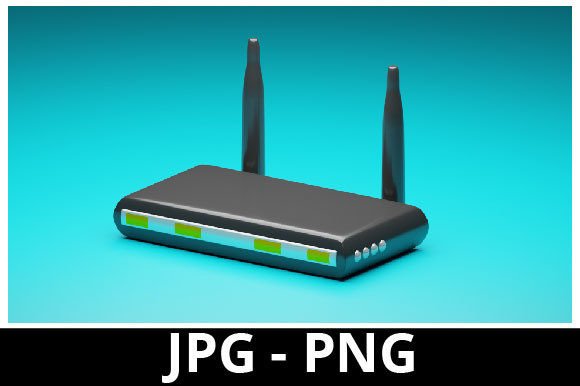
3D Rendered WiFi Router for Design Projects
In the fast-paced world of graphic design, visual accuracy and relevance are key to capturing attention and conveying meaning. A 3D rendered WiFi router serves as a powerful design asset that bridges the gap between digital aesthetics and real-world technology. Whether you're crafting a website layout, preparing marketing collateral, or designing an editorial spread, incorporating a high-quality 3D render of a WiFi router can elevate your work with authenticity and modern flair.
Why 3D Renders Matter in Graphic Design
Graphic designers often need to represent complex devices or abstract concepts in a way that feels tangible and relatable. Traditional flat illustrations or stock photos may lack the depth and realism required for professional presentations. A 3D rendered WiFi router, on the other hand, brings a lifelike quality to your visuals. It allows for precise control over lighting, angles, textures, and environments—making it ideal for showcasing products in various contexts such as home offices, corporate networks, or smart city settings.
Visual Communication and Brand Identity
When used in branding materials, a 3D WiFi router can subtly reinforce themes of connectivity, speed, and innovation. Its sleek form and clean lines make it a perfect fit for modern tech brands or services related to internet, data, and communication. By integrating this object into logos, brochures, or promotional banners, designers can create a consistent visual language that speaks directly to audiences in the digital age.
Enhancing User Experience in Digital Spaces
UI/UX designers benefit greatly from using realistic 3D assets like a WiFi router in mockups and wireframes. These elements help users visualize how products function within their daily lives. For example, placing a 3D rendered WiFi router near icons representing network speed or signal strength can improve intuitive understanding and guide user behavior more effectively than text alone ever could.
Practical Applications Across Creative Fields
The versatility of a 3D rendered WiFi router makes it suitable for a wide range of projects:
- Web design: Use it as part of landing page visuals or infographics explaining broadband technologies.
- Marketing materials: Feature it in posters, flyers, or email templates promoting new routers or internet services.
- Social media content: Create engaging posts around topics like "How to Optimize Your Home Network."
- Packaging design: Include it in product packaging to illustrate features or uses of networking hardware.
- Editorial layouts: Incorporate it into articles about tech trends, smart homes, or digital infrastructure.
- Presentations: Add it to slides to visually support discussions about network performance, antennas, or gateway systems.
Choosing the Right Asset for Your Project
To ensure your design remains cohesive and impactful, consider these tips when selecting a 3D rendered WiFi router:
- Match the style: Choose a model that aligns with your project's aesthetic—modern, minimal, industrial, or vintage-inspired.
- Check file formats: Assets in JPG or PNG format are great for quick use in web and print designs; ensure they include transparent backgrounds where needed.
- Assess scalability: High-resolution images allow for flexibility in scaling without loss of detail, which is essential for large-format prints or responsive web designs.
- Evaluate lighting and shadows: The right balance enhances realism and integrates seamlessly with other design elements.
- Ensure compatibility: Make sure the asset works well with your brand’s color palette and typography to maintain visual harmony.
A ZIP folder containing multiple versions of the 3D rendered WiFi router—such as side views, top-down shots, and exploded diagrams—can provide added value by giving you options tailored to different compositions and layouts.
Typography and Color: Key to Professional Presentation
While the 3D asset adds visual interest, pairing it with appropriate typography and color choices ensures a polished look. Use sans-serif fonts to emphasize modernity and clarity when discussing digital infrastructure. Stick to a limited color palette featuring blues, whites, and grays to reflect trust, speed, and reliability. These subtle decisions contribute significantly to the overall message and professionalism of your design.
Improving Design Workflow with Creative Assets
High-quality 3D renders streamline the creative process by offering ready-to-use visuals that require minimal editing. They also reduce dependency on photography and allow for greater creative freedom. When evaluating such assets, focus on those that offer customization options—like adjustable background layers or component visibility—to better adapt to your design workflow and specific creative needs.
By thoughtfully integrating a 3D rendered WiFi router into your visual strategy, you not only enhance the technical accuracy of your work but also boost its emotional resonance. This kind of attention to detail helps establish credibility, improves user engagement, and supports effective storytelling in both digital and print media.