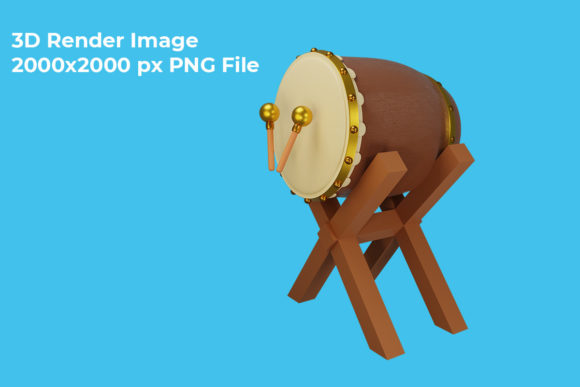
3D Rendering of Islamic Drum Icon: A Versatile Design Asset for Modern Projects
What Is the 3D Rendering of an Islamic Drum Icon?
The 3D rendering of an Islamic drum icon is a digitally created visual representation of a traditional percussion instrument often associated with Islamic cultural and religious practices. This type of icon is rendered in three dimensions to provide depth, texture, and realism that flat 2D images cannot achieve. It’s commonly used as a design element in web graphics, print media, branding materials, and digital illustrations. Islamic drums, also known as daff, are widely recognized in various forms across different regions and traditions within the Islamic world. The 3D rendering of this icon brings its intricate patterns and symbolic motifs to life, making it a compelling addition to projects requiring culturally relevant or visually rich content. Whether you're designing for educational purposes, promotional campaigns, or artistic expression, this asset can serve as both a decorative and meaningful component.Key Characteristics and Visual Appeal
A high-quality 3D rendering of an Islamic drum icon typically features several distinct characteristics:- High Resolution: Commonly offered in formats like PNG at 2000 x 2000 pixels, ensuring clarity even when scaled up.
- Layered File Options: Includes PSD files for those who need editable layers to customize colors, textures, or backgrounds.
- Cultural Detail: Incorporates traditional Islamic geometric designs, calligraphy, or arabesque elements depending on the specific style.
- Realistic Depth: Shadows, highlights, and perspective create a lifelike appearance suitable for modern and professional design environments.
Purpose and Practical Value
The purpose of using a 3D rendering of an Islamic drum icon extends beyond mere decoration. It can be integrated into multiple types of design workflows where visual storytelling plays a key role.Performance in Real-World Use
In practice, the 3D rendering of an Islamic drum icon performs well in a variety of contexts due to its adaptability and visual richness. For example:Web Design: When placed on a landing page or blog post discussing Islamic culture, the icon adds a dynamic touch that enhances user engagement. Its high resolution prevents pixelation on larger screens or retina displays, which is crucial for maintaining a professional look.
Social Media Graphics: Marketers and content creators often require eye-catching visuals that align with their brand identity. These 3D icons can be easily overlaid on other graphics or animations to produce cohesive and appealing posts.
Print Materials: From posters to brochures, the crisp lines and detailed surface make it ideal for high-quality printing. It can stand alone or complement text and photographs.
UI/UX Elements: In app interfaces or website buttons, the icon can represent sound, rhythm, or cultural themes, offering intuitive visual cues to users.
Who Can Benefit Most from Using This Icon?
- Graphic Designers: Those seeking unique and culturally significant elements for client projects or personal portfolios.
- Marketers and Advertisers: Individuals needing authentic visuals for campaigns targeting Muslim audiences or promoting multicultural initiatives.
- Bloggers and Content Creators: Writers and YouTubers who incorporate Islamic traditions, history, or festivals into their content.
- Educators and Researchers: Teachers or scholars producing visual aids for classrooms or publications on Islamic studies or musicology.
- App Developers: Designers looking to add symbolic or thematic icons to mobile or web applications.