Understanding the Milk Splash Vector: A Versatile Element for Designers and Creators
In the world of digital design, visual elements play a crucial role in conveying messages effectively. One such element that has gained popularity among designers is the Milk Splash Vector, particularly when it involves Cream Liquid. This article explores what the Milk Splash Vector is, how it can be used creatively, and why it's an essential tool for those working with food-related imagery or health-focused content.
What Is the Milk Splash Vector?
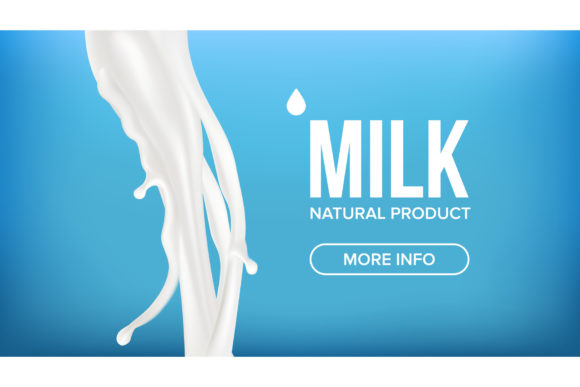
The Milk Splash Vector refers to a stylized illustration or graphic representation of milk splashing or spilling out of a container. It is often created using vector-based software, allowing for scalability without loss of quality. When paired with the concept of Cream Liquid, this vector becomes even more dynamic, showcasing the rich texture and fluidity associated with dairy products like yogurt and cream.
This type of vector art is commonly used in marketing materials, packaging designs, and website graphics where the visual appeal of liquid dairy needs to be emphasized. The 3D realistic illustration approach brings these vectors to life, making them look as natural and appetizing as a real-life pouring experience.
Purpose and Features of the Milk Splash Vector
Design professionals use the Milk Splash Vector to:
- Enhance product visuals for dairy items like healthy yoghurt or cream-based beverages.
- Create engaging content for blogs, social media posts, and advertisements centered around drink food or nutritious meals.
- Convey purity and freshness through high-quality, clean lines and realistic textures.
Key features include:
- Scalability: Being a vector format means it can be resized without compromising clarity, ideal for both print and digital use.
- Customizability: Colors, shapes, and flow patterns can be adjusted to match brand aesthetics or project requirements.
- Realism: Especially in 3D realistic illustration formats, it mimics the actual appearance of creamy pouring milk, adding depth and authenticity to any design.
Applications and Use Cases
Whether you're a designer, marketer, or content creator, the Milk Splash Vector offers versatility across multiple platforms. Here are some common applications:
1. Branding and Packaging
For businesses selling dairy products such as healthy yoghurt, incorporating a Milk Splash Vector into packaging design helps communicate freshness and quality. The Cream Liquid effect adds richness and can highlight premium ingredients.
2. Web and Mobile Design
Websites promoting drink food or wellness products benefit from the visual impact of a realistic milk splash. These vectors can be used as background elements, hero images, or icons to reinforce themes of purity design and natural nutrition.
3. Social Media Content
Instagram, Facebook, or Pinterest ads featuring Milk Splash Vectors attract attention quickly. The Creamy Pouring aspect makes the image appealing and relatable, especially when paired with lifestyle content focused on breakfast or healthy living.
4. Print Media
Magazines, brochures, and flyers related to food science, agriculture, or nutrition often use these vectors to illustrate processes like pasteurization or ingredient sourcing. The EPS format ensures sharp printing at any size, while JPGs provide quick loading times for online publications.
Strengths and Considerations
Using the Milk Splash Vector comes with several advantages:
- High visual impact that conveys softness, health, and indulgence.
- Time-efficient for designers who need to add a touch of realism without photographing actual liquids.
- Compatible with various file formats, including JPG for web use and EPS for professional printing.
However, there are also a few things to consider before integrating it into your work:
- Context matters: While great for food and beverage campaigns, it may not suit industrial or abstract projects.
- File complexity: Some vector files might be large due to their 3D nature, which could affect load times if not optimized properly.
- Design intent alignment: Ensure the Milk Splash Vector complements your overall message rather than overshadowing it.
Who Can Benefit from Using the Milk Splash Vector?
A wide range of users can take advantage of this versatile asset:
- Graphic designers looking to add a natural, organic feel to their projects.
- Marketing teams aiming to create compelling visuals for dairy or health-oriented products.
- Business owners in the food industry who want to enhance their branding or e-commerce presence.
- Content creators seeking engaging imagery for blogs, YouTube thumbnails, or infographics about nutrition.
Practical Expectations and Limitations
While the Milk Splash Vector is a powerful tool, understanding its limitations is key to effective usage:
Limitations:
- It may not replicate every nuance of a real-life milk splash, especially under specific lighting or angles.
- Some versions might require advanced design skills to edit fully, depending on the complexity of the 3D realistic illustration.
Expectations:
- It will deliver consistent results across different mediums, from websites to printed materials.
- It supports both minimalist and detailed design styles, depending on how it's applied.
- It can be combined with other elements like fruits, grains, or glassware to build comprehensive food scenes.
Real-World Scenarios and Examples
Here are a few practical examples of where the Milk Splash Vector has been successfully implemented:
Example 1: Healthy Yoghurt Packaging
A startup producing low-sugar yoghurt uses the Creamy Pouring vector in their label design. The splash visually reinforces the product’s smooth texture and natural ingredients, aligning with their purity design philosophy. The result is a fresh, inviting look that stands out on store shelves.
Example 2: Nutrition Blog Infographic
A food blogger discusses the benefits of calcium-rich diets and uses a Milk Splash Vector in a header image. The Cream Liquid effect highlights the nutritional value of dairy, while the 3D Realistic Illustration keeps the audience engaged and interested in the content.
Example 3: Beverage Company Website Redesign
A dairy company overhauls its site to reflect modern, eco-friendly values. They incorporate the Milk Splash Vector in a hero banner, showing a pure stream of milk flowing into a glass. This subtle yet effective use of the vector communicates trust and sustainability.
How to Evaluate Suitability for Your Project
Before choosing the Milk Splash Vector, ask yourself the following questions:
- Does the theme of my project involve dairy, health, or drink food?
- Am I targeting audiences interested in purity, nutrition, or natural ingredients?
- Will the Creamy Pouring effect fit the style and tone of my design?
- Do I need a scalable vector for both digital and print use (JPG and EPS)?
If you answered “yes” to most of these, the Milk Splash Vector is likely a good fit. Always review sample illustrations to ensure they align with your creative vision and technical needs.
Where to Find and How to Use the Milk Splash Vector
You can find high-quality Milk Splash Vector illustrations on stock image sites or specialized design marketplaces. Look for assets labeled with terms like Cream Liquid, Drink Food, or 3D Realistic Illustration to narrow down your search. Many of these come in both JPG and EPS formats, giving you flexibility based on your project’s requirements.
To use the vector effectively:
- Ensure proper resolution and color matching for consistency.
- Layer it with other design elements like text, logos, or additional food vectors.
- Test how it looks on different backgrounds to maintain visibility and aesthetic harmony.
Conclusion
The Milk Splash Vector is more than just an attractive graphic—it's a strategic design element that can elevate your work when used correctly. Whether you’re illustrating a Creamy Pouring process for a healthy yoghurt ad or emphasizing purity design in a food blog, this vector offers a balance between artistic expression and functional communication. By understanding its strengths, limitations, and appropriate use cases, you can harness its full potential to engage your audience and support your creative goals.