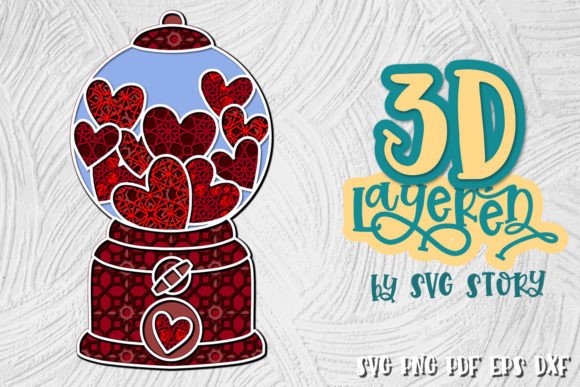
3D Candy Machine Layered SVG Design: A Practical Tool for Creative and Professional Workflows
Designers, hobbyists, educators, and entrepreneurs often find themselves in need of high-quality, customizable graphics that can be used across a range of platforms and tools. The 3D Candy Machine Layered SVG Design offers a solution that fits seamlessly into modern creative workflows. This design is not just an aesthetic element but a functional asset that supports precision cutting and printing on various machines.
What Is 3D Candy Machine Layered SVG Design?
The 3D Candy Machine Layered SVG Design is a digital graphic crafted with attention to detail and layered structure, allowing users to modify individual components easily. It features a hand-drawn base enhanced for smooth performance in cutting machines. The design is delivered in multiple file formats including SVG, EPS, DXF, and PNG, ensuring compatibility with a wide array of software and hardware solutions.
This layered approach makes the design particularly valuable for those who want to customize their output without starting from scratch. Whether you're creating signage, promotional materials, or decorative elements, having access to editable layers gives you control over colors, shapes, and text placement — all essential in delivering a polished final product.
Where Does It Fit Into the Broader Creative Process?
In any design project, especially one involving physical production like vinyl cutting, laser engraving, or CNC machining, preparation is key. The 3D Candy Machine Layered SVG Design serves as a ready-made resource that bridges the gap between concept and execution. It can be used at different stages of a project:
- Before a project begins as a visual placeholder or inspiration guide.
- During the planning phase to test layout ideas or color schemes.
- After content creation as a finalized element for cutting or printing.
For example, if you're designing a promotional poster for a candy store, the layered SVG can help you visualize how your brand's logo might appear when cut onto acrylic or printed on fabric. Its adaptability means it doesn't just serve as a static image — it becomes part of your iterative design process.
Compatibility and Integration with Cutting Machines
One of the standout benefits of this design is its compatibility with most major cutting machines. As long as your machine supports SVG, EPS, DXF, or PNG files, you can use this design without conversion issues. This includes popular models from Cricut, Silhouette, Brother, and Epilog lasers.
Because the design is optimized for smooth cutting, it reduces the time and effort required for setup. Users report fewer errors during the cutting process, which translates to higher efficiency and less material waste. This is particularly important for small business owners or educators who may have limited resources or tight deadlines.
Preparation and Setup
Before integrating the design into your workflow, ensure your system supports ZIP archives, as the files are delivered in this format. Extracting the archive will give you access to all included files: SVG, EPS, DXF, and PNG. Each format has its own strengths, so choose based on your machine’s requirements and your editing preferences.
If you’re using Adobe Illustrator or similar vector software, the EPS and SVG files allow for full customization. You can adjust layer visibility, recolor elements, or even add text to personalize the design. For quick projects or prototyping, the PNG files provide a transparent background for immediate use.
Customization and Editing Tips
To get the most out of the 3D Candy Machine Layered SVG Design, start by opening the SVG or EPS file in your preferred vector editing tool. Look for grouped layers and named objects, which streamline the editing process. If you're unfamiliar with layered SVGs, take a moment to explore how each component is structured — this understanding will save you time later.
Here’s a simple workflow example:
- Open the SVG file in Adobe Illustrator or Inkscape.
- Un-group the layers to access individual elements.
- Edit colors, fonts, or shapes to match your branding or project needs.
- Export the modified design in a machine-compatible format (SVG, DXF, etc.).
- Upload the file to your cutting machine’s software and prepare the material for cutting.
Remember, the goal is to make the design work for you, not the other way around. Spend a few minutes organizing your layers before exporting to avoid confusion during the cutting phase.
Use Cases Across Industries
The versatility of this design makes it suitable for multiple applications:
- Marketing and Branding: Create eye-catching signs or packaging labels for events, retail spaces, or product launches.
- Education and Presentations: Use the PNG version as a visual aid in slides or posters for classroom decorations or trade shows.
- Small Business Owners: Incorporate the design into storefront displays, custom merchandise, or branded gifts.
- Hobbyists and Crafters: Add dimension and flair to DIY projects like scrapbooks, greeting cards, or home decor items.
Each of these scenarios requires a slightly different approach. For instance, a marketer might prefer SVG for easy integration with print tools, while a hobbyist could benefit more from the PNG’s transparency for layered paper crafts. Understanding your end goal helps determine which file format to prioritize.
Ensuring Quality and Consistency
When working with any type of digital design, maintaining quality throughout the process is crucial. The 3D Candy Machine Layered SVG Design is created with crisp lines and clean vectors to preserve detail when scaled up or down. Always preview the design at full size before cutting to check alignment and spacing, especially if you’ve made edits.
For large-scale production, consider testing a sample piece first. This allows you to verify the design’s accuracy and adjust settings on your cutting machine if needed. Keeping a record of these settings (speed, pressure, blade depth) ensures consistency across multiple prints or cuts.
Organizing Your Files and Long-Term Use
Once you’ve extracted the ZIP archive, organize the files into a dedicated folder for future reference. Naming conventions can help you quickly locate specific versions later. For example, “CandyMachine_SVG_Edit_v1” or “CandyMachine_PNG_Transparent” clearly indicate the file type and purpose.
Over time, you might accumulate several variations of the same design. Maintaining an organized digital library prevents duplication and streamlines your workflow. Cloud storage or a local server can also be useful for sharing the design with team members or collaborators who need access to the same assets.
If you frequently use layered SVG designs, consider investing in a file management system that allows tagging or categorization. This makes it easier to search for designs based on theme, format, or intended use.
Interoperability with Other Tools and Resources
Layered SVG files like the 3D Candy Machine integrate well with both design and production tools. Here’s how they fit into common setups:
- Cutting Machine Software: Most programs accept SVG files directly. Import the design and scale it to your desired dimensions before sending it to the machine.
- Graphic Design Platforms: Edit the design in Adobe Illustrator, CorelDRAW, or Inkscape to tailor it for specific projects.
- Printing Services: Share the PNG or SVG with print-on-demand services for banners, T-shirts, or stickers.
Additionally, if you need further assistance or have specific requests, the seller encourages reaching out for special formats or modifications. This flexibility ensures that the design adapts to your unique needs rather than forcing you to compromise.
Practical Workflow Examples
Let’s look at a few real-world examples of how the 3D Candy Machine Layered SVG Design can be implemented efficiently:
Example 1: Custom Merchandise for a Retail Store
A small candy shop owner wants to create branded aprons for employees. They purchase the design, extract the SVG and PNG files, and open the SVG in Adobe Illustrator. After adjusting the color scheme to match the store’s branding, they export the updated design as a PNG with a transparent background. The file is then sent to a heat press service provider, who applies it to the fabric aprons.
Example 2: Classroom Decor for a School Project
An educator uses the PNG version of the design to create a themed bulletin board for a science fair about sweet treats and nutrition. The transparent background allows them to place the candy machine illustration over colorful backgrounds without losing clarity. They print the design on cardstock and laminate it for durability, assembling the final display within a few hours.
Example 3: Event Signage for a Pop-Up Shop
A freelance designer is tasked with producing signage for a pop-up candy store. They import the SVG into their design software, tweak the layers to include event-specific text and dates, and export the result as a DXF file compatible with their client’s laser cutter. The final pieces are mounted on foam board and displayed at the event, drawing positive feedback for their professional appearance.
Why Choose Layered SVG Designs?
Layered SVGs offer a level of control and efficiency that flat files cannot match. Unlike static images, they allow for non-destructive editing — meaning changes don’t affect the original file structure. This is invaluable when working under tight deadlines or when revisions are expected.
Moreover, the layered structure ensures that every element remains scalable and editable, regardless of how many times you reuse the design. Whether you’re preparing for a single project or planning to use it repeatedly, the ability to maintain consistent quality is a significant advantage.
Final Thoughts on Implementation
Integrating the 3D Candy Machine Layered SVG Design into your workflow is straightforward when approached with a clear plan. Start by identifying where the design adds value, whether it’s in initial brainstorming, mid-project customization, or final production. Test it on a small scale before scaling up, and always keep backups of the original and edited files.
By choosing a design that supports multiple formats and offers layered flexibility, you’re investing in a tool that can evolve with your projects. This is especially true for professionals who rely on consistent, high-quality outputs to meet client expectations or for hobbyists looking to elevate their craft.
With careful preparation and thoughtful implementation, the 3D Candy Machine Layered SVG Design becomes more than just an illustration — it becomes a core component of your creative toolkit, helping you bring ideas to life with precision and ease.