3D Layered Letter C Multilayered Design: A Versatile Tool for Creative Projects
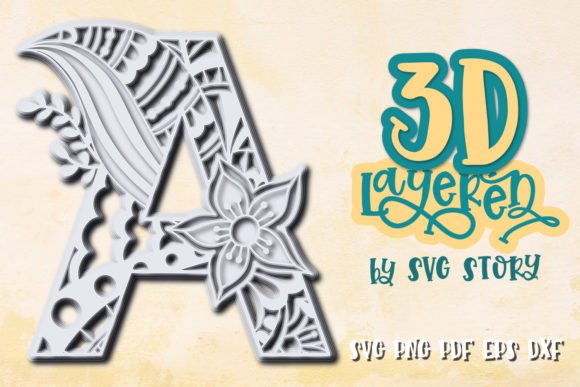
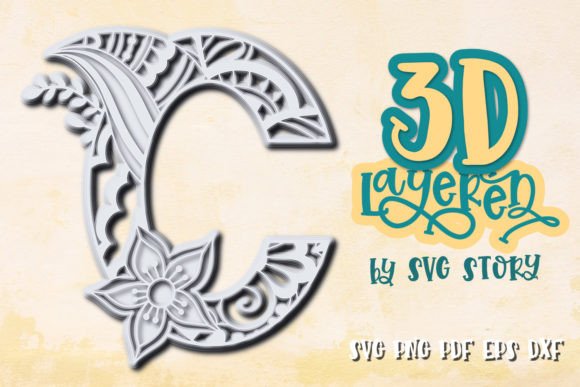
The 3D Layered Letter C Multilayered Design is a unique digital asset that brings depth and visual interest to lettering, particularly the letter “C.” This design format is especially popular among crafters, designers, and hobbyists who use cutting machines like Cricut or Silhouette. The multilayered structure of the letter allows it to be assembled into a three-dimensional form, making it ideal for signage, wall art, logos, and decorative displays.
Unlike traditional flat designs, the 3D Layered Letter C offers an architectural look that can transform any space with its bold presence. Each layer is carefully crafted to stack together seamlessly, creating a dimensional effect that adds texture and sophistication. Whether you're designing for a personal project or a professional client, this type of design provides a modern twist on typography while maintaining structural integrity when cut and assembled.
What Makes It Unique?
The 3D Layered Letter C Multilayered Design stands out due to its layered construction and compatibility with multiple file formats. Here’s what makes it distinct:
- Layered Construction: The letter is split into multiple horizontal slices, each representing a different section of the final 3D shape. When printed and stacked, these layers give the illusion of depth and volume.
- Hand-Drawn Origin: Despite being optimized for digital cutting, the design starts as a hand-drawn sketch. This gives it a more artistic and personalized feel compared to purely algorithm-generated fonts.
- Multiple File Formats: Files come in SVG, EPS, DXF, and PNG formats, ensuring compatibility across a wide range of tools and software. This flexibility supports both precision cutting and high-quality printing.
- Archived in ZIP: All files are neatly organized and compressed into a ZIP archive, which simplifies download and storage. Users should ensure they have the necessary software installed before unzipping the contents.
This design is not just about aesthetics; it's also engineered for ease of use. The clean lines and smooth curves are optimized for consistent cuts across various materials such as cardstock, foam board, acrylics, and vinyl. As a result, even beginners can achieve professional-looking results without much difficulty.
Comparing 3D Layered Letter C With Other Design Options
When evaluating design choices for your next creative project, it’s important to consider how the 3D Layered Letter C Multilayered Design stacks up against other options. Below is a practical comparison based on key factors such as complexity, adaptability, and intended use:
Flat vs. 3D Designs
Traditional flat lettering is often preferred for simplicity and minimal material usage. However, if you're looking to create a more eye-catching display, the 3D Layered Letter C is a strong contender. Its multidimensional appearance adds visual weight and makes it stand out in environments where flat text might blend in.
For example, using a 3D letter in a home office sign or a retail store window can instantly elevate the design from ordinary to extraordinary. In contrast, flat letters may work better for small-scale projects like stickers or embroidered patches, where depth isn’t necessary or feasible.
Customizable vs. Pre-Designed Elements
Some users prefer fully customizable vector letters created from scratch using design software like Adobe Illustrator. While this approach allows complete control over every detail, it can be time-consuming and requires advanced skills. The 3D Layered Letter C, on the other hand, is ready-to-use and offers a balance between customization and convenience.
If you’re working under tight deadlines or don’t have access to advanced design tools, the pre-designed yet layered format of the C can save hours of work. You can still adjust colors, sizes, and spacing according to your needs, but the foundational structure is already optimized for smooth cutting and assembly.
Single-Letter vs. Full Alphabet Sets
While full alphabet sets are available for those planning extensive signage or branding projects, the 3D Layered Letter C is ideal for individuals who need only one character. This single-letter focus ensures that the design is refined and perfected specifically for the letter C, offering a higher level of detail than mass-produced multi-letter kits might provide.
Additionally, focusing on a single letter can reduce costs and simplify workflow, especially when you’re testing ideas or working with limited materials. If you later decide to expand your project to include other letters, many creators offer matching styles or collections that align with the same aesthetic.
Strengths and Tradeoffs of Using 3D Layered Letter C
Like any design resource, the 3D Layered Letter C Multilayered Design has its advantages and limitations. Understanding these will help you determine whether it fits your specific needs.
Key Strengths
- High Compatibility: The inclusion of SVG, EPS, DXF, and PNG files means the design works well with most cutting machines and graphic design software. This versatility is a major plus for users who want to switch between platforms or share their creations online.
- Smooth Cutting Performance: The design has been meticulously adjusted to cut cleanly and precisely. This minimizes errors during the cutting process and ensures that each layer aligns correctly when assembled.
- Creative Flexibility: Because it’s a layered design, you can modify individual components (like color, height, or spacing) to suit your vision. You could even print some layers on different materials for added visual interest.
- Professional Results for Beginners: The design’s user-friendly nature allows even novice crafters to produce polished outputs. Detailed instructions are often included, guiding users through the setup and assembly process step by step.
Potential Limitations
- Material Requirements: Since the design is multilayered, it uses more material than standard 2D letters. For large-scale installations or budget-sensitive projects, this could be a drawback.
- Assembly Time: Although the cutting process is straightforward, assembling the layers manually can take additional time. This might not be ideal for projects requiring rapid turnaround unless automated assembly methods are employed.
- Design Specificity: The letter C is stylized within this particular design. If your project requires a highly unique or script-style C, you may need to look elsewhere or customize the existing design further.
Best-Fit Situations for 3D Layered Letter C
The 3D Layered Letter C is best suited for a variety of scenarios, including:
- Home Decor Projects: Use the letter C as part of a custom wall mural, room name sign, or accent piece in a living room or bedroom.
- Commercial Signage: Businesses looking to add a touch of elegance or creativity to their storefronts or interior branding can benefit from the bold and stylish presentation of this design.
- Event Decor: From weddings to corporate events, the 3D C can serve as a focal point in invitations, centerpieces, or directional signs.
- Gift and Craft Stores: Retailers selling DIY kits or crafting supplies can use this design as a product demo or promotional element.
In each of these cases, the multilayered format enhances the overall impact of the letter. For instance, placing the 3D C on a foam board and painting it in metallic hues can make it a standout feature in a modern-themed event backdrop. Similarly, using the design in combination with other letters or symbols can help build a cohesive and visually appealing message.
When to Consider Alternatives
While the 3D Layered Letter C is a powerful tool, there are situations where alternative design approaches may be more appropriate:
- Projects Requiring Multiple Letters: If you need several letters for a phrase or sentence, it may be more cost-effective to purchase a full alphabet set rather than individual letters.
- Minimalist or Flat Design Preferences: Some projects, especially those involving embroidery, laser engraving, or minimalist aesthetics, may benefit more from 2D versions of the letter C.
- Need for Custom Fonts: If your brand or project relies on a specific font style that isn’t represented in the 3D Layered Letter C design, you may need to commission a custom letter or use a font conversion service.
- Time Constraints: Given the manual assembly required, this option may not be suitable for last-minute or high-volume production runs.
In such cases, alternatives like 2D SVG letters, font-based vector letters, or custom-designed alphabets can provide similar functionality with fewer constraints. Always evaluate your project goals and resources before choosing the right format.
File Format Comparison and Practical Use
One of the defining aspects of the 3D Layered Letter C is its support for multiple file types. Let’s break down what each format offers and when it might be useful:
- SVG (Scalable Vector Graphics): Ideal for use with most cutting machines and design software. SVG allows for easy scaling without loss of quality and includes precise cut lines.
- EPS (Encapsulated PostScript): Commonly used in professional design workflows. EPS files are editable in programs like Adobe Illustrator, giving you more control over shapes and paths.
- DXF (Drawing Exchange Format): Suited for CNC machines and laser cutters. DXF ensures accuracy when translating vector data to machine-readable instructions.
- PNG (Portable Network Graphics): Useful for previewing the design in raster format, especially for printing or digital sharing where transparency is needed.
Each format serves a different purpose, so having them all in one package increases the design’s utility. For example, a designer might use the SVG file for initial prototyping, then switch to DXF for final production on a laser cutter. Meanwhile, a crafter might rely on PNG for reference images while preparing their workspace.
How to Choose the Right Option for Your Project
Selecting the right design depends on your tools, experience level, and desired outcome. Here are some decision factors to consider:
- Do you need dimensionality? If yes, the 3D Layered Letter C is a great choice. If not, a 2D version or a simpler font-based letter may suffice.
- Are you using a cutting machine? Check if your machine supports SVG, EPS, or DXF. Most modern models do, but older or less common devices may require conversion or adjustments.
- What materials will you use? Foam board is a popular choice for 3D letters because it’s lightweight and easy to cut. Acrylics or wood offer a sturdier finish but may require more precise handling.
- How much time do you have? If you need something quick and simple, opt for a flat letter. For more detailed and impactful results, the 3D Layered version is worth the extra effort.
Also consider the intended audience of your project. The 3D Layered Letter C works exceptionally well in spaces where visual appeal is key—think boutiques, coffee shops, or personal studios. In contrast, a more subtle or minimalist approach might be better for corporate offices or formal presentations.
Realistic Examples and Use Cases
Let’s explore a few realistic examples to illustrate how the 3D Layered Letter C Multilayered Design can be applied effectively:
- Wall Art Installation: An artist creates a large wall art piece using the 3D C as the central motif. They paint each layer in gradient shades of blue to represent calm and professionalism, perfect for a therapy office or wellness center.
- Logo Mockup: A startup wants to showcase their new logo in a prototype. The 3D C is incorporated as part of the logo’s base, helping them visualize how it would look in real-world applications before committing to production.
- Wedding Centerpiece: A wedding planner uses the letter C to spell out "Cheers" in a rustic wooden layout. The layered design gives the centerpiece a tactile and elegant look that guests notice and admire.
These examples highlight how the 3D Layered Letter C can be adapted across industries and purposes. Its ability to integrate with other elements and materials makes it a valuable addition to many creative arsenals.
Contacting for Special Formats
Although the design comes in SVG, EPS, DXF, and PNG formats, there may be times when you need a different file type or a modified version. In such cases, reaching out to the provider for special formats is recommended. Many creators are open to accommodating requests, especially for niche or specialized tools that aren't widely supported.
Before purchasing, always verify that you have the necessary software to extract and use the ZIP archive. If you’re unsure, check your machine or program’s documentation to confirm compatibility with SVG or other relevant file types.
Conclusion
The 3D Layered Letter C Multilayered Design is a well-crafted solution for anyone seeking to incorporate dimension and artistry into their lettering projects. It balances complexity with accessibility, making it suitable for both casual hobbyists and professional designers. By understanding its strengths, tradeoffs, and best-fit scenarios, you can decide whether this design aligns with your creative objectives.
Whether you're building a custom sign for your business, creating a memorable gift, or exploring new design techniques, the 3D Layered Letter C offers a compelling way to enhance your work. Just remember to assess your tools, timeline, and material preferences before moving forward. And if you need anything beyond the standard offerings, don’t hesitate to reach out for customized solutions.