3D Layered Letter: A Multilayered Design for Modern Creativity
The world of design is evolving rapidly, driven by the need for more intricate, customizable, and scalable creative solutions. Among the most popular innovations in this space is the 3D layered letter, a multilayered design format that brings depth, texture, and dimensionality to typography and branding projects. Whether you're a professional designer, an entrepreneur crafting a logo, or a hobbyist experimenting with cutting machines, understanding how to use and create 3D layered letters can significantly enhance your workflow and output.
What Is a 3D Layered Letter?
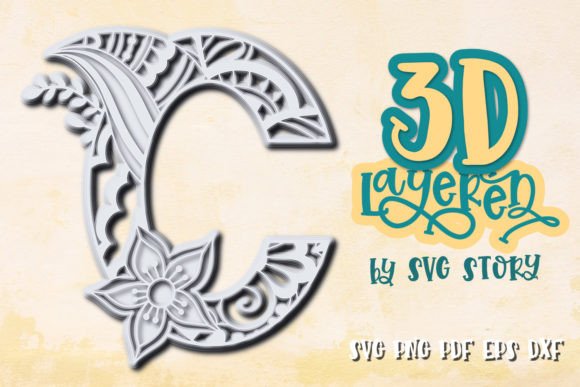
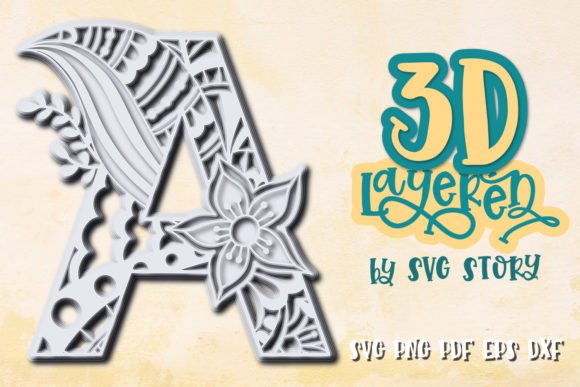
A 3D layered letter is essentially a stylized typographic design that incorporates multiple layers to simulate a three-dimensional appearance. These layers can be used to create shadows, outlines, inner details, or even separate pieces that can be assembled like puzzle parts. The beauty of this approach lies in its versatility—each layer can be manipulated individually, allowing for precise customization in color, size, spacing, and material when printed or cut.
This type of design is particularly useful for signage, stickers, laser-cutting, vinyl application, and other tactile or visual projects where depth plays a crucial role. Unlike flat text, which may appear one-dimensional and lack character, a multilayered letter design adds visual interest and complexity without compromising readability or functionality.
Why It Matters in Today’s Creative Landscape
In today's fast-paced digital and physical environments, users expect designs that stand out and offer a premium look. Businesses are increasingly looking for ways to differentiate their branding through unique visuals. A 3D layered letter fits perfectly into this demand by offering a visually rich alternative to standard fonts.
Professionals in graphic design, marketing, and product development often seek assets that are both high-quality and adaptable. The availability of files in formats such as SVG, EPS, DXF, and PNG ensures that these designs can be integrated seamlessly across various platforms and tools—from digital illustrations to CNC machines and print-ready materials. This adaptability makes them a go-to resource for creators who want flexibility without sacrificing detail.
Design Includes: Supporting Multiple File Formats
When working with 3D layered letters, it's essential to have access to a range of file types to suit different applications. That’s why our collection includes:
- SVG Files: Ideal for use with cutting machines like Cricut, Silhouette, and Brother ScanNCut. They maintain scalability and precision at any size.
- EPS Files: Perfect for vector-based editing in Adobe Illustrator, ensuring crisp lines and full control over each layer.
- DXF Files: Compatible with laser cutters and CAM software, making them a favorite among makers and industrial designers.
- PNG Files: Great for digital mockups, web use, or print projects where transparency is needed.
All of these files are archived in ZIP format for easy download and organization. Before purchasing, ensure your system has the necessary software to open and edit these files. If you require additional formats not listed, we encourage you to reach out directly—we’re always happy to accommodate specific needs.
How Does It Work with Cutting Machines?
One of the standout features of 3D layered letters is their compatibility with modern cutting machines. As long as your device supports SVG, PNG, EPS, or DXF files, you can easily import and cut the design. The process typically involves selecting the desired layers, adjusting sizes or colors, and sending the file to your machine for cutting or engraving.
These designs are hand-drawn and then digitally refined to ensure they cut smoothly and consistently. This means you don’t just get a flat image—you receive a structured composition that can be layered in foam board, acrylic, wood, or paper to produce a stunning 3D effect. For educators or DIY enthusiasts, this opens up countless opportunities for hands-on learning and personalization.
Real-World Applications and Examples
Let’s explore some practical scenarios where a 3D layered letter design could be invaluable:
- Business Signage: Entrepreneurs launching a new café or boutique can use multilayered letters to craft custom signs with a dimensional feel that attracts attention and conveys quality.
- Wedding Invitations: Designers creating luxury wedding invites might incorporate layered letters as part of a die-cut or embossed element, adding a tactile experience that guests will remember.
- Home Decor Projects: Hobbyists using a Cricut or similar machine can make wall art, candle holders, or personalized gifts with a 3D layered letter as the focal point.
- Product Packaging: Brands aiming for a minimalist yet elegant look might integrate layered letters into packaging labels or logos, giving products a refined edge.
Each of these examples demonstrates how the 3D layered letter isn’t just a novelty—it's a functional and artistic tool that aligns with modern design sensibilities and production methods.
Trends Shaping the Demand for Multilayered Designs
Several trends are contributing to the growing popularity of multilayered design elements, including 3D letters:
- Customization Over Standardization: Consumers now expect bespoke experiences, whether in fashion, home decor, or branding. A multilayered letter allows for greater personalization than traditional font options.
- Rise of Makerspaces and Home Studios: With more people investing in personal cutting and engraving equipment, there’s a surge in demand for high-quality, ready-to-use digital assets that simplify complex projects.
- Blending Digital and Physical Media: From QR codes embedded in signage to interactive art installations, the boundary between digital design and physical execution is blurring. Multilayered letters serve as a bridge between these two worlds.
- Sustainability and Reusability: Many designers and small businesses are turning to digital templates that reduce waste and allow for repeated use across different media. Having access to editable vector formats ensures long-term usability.
These trends highlight how a 3D layered letter is not just a design choice but a strategic asset that meets current market expectations and technological capabilities.
Evolution of Typographic Design
Typographic design has come a long way from basic text overlays on images. While serif and sans-serif fonts still dominate the industry, there's a clear shift toward designs that tell a story beyond mere words. This evolution is especially visible in the rise of multilayered typography, where each layer contributes to a cohesive visual narrative.
Historically, achieving such effects required advanced knowledge of 3D modeling software. But today, thanks to pre-designed layered letters in SVG, EPS, and DXF formats, even beginners can experiment with depth and dimension in their work. This democratization of design empowers individuals and small teams to compete with larger studios in terms of visual impact and originality.
Practical Implications for Users and Creators
For those who regularly use cutting machines or design software, having access to a multilayered letter design can streamline the creation process while opening up new avenues for creativity. Here’s what you should consider:
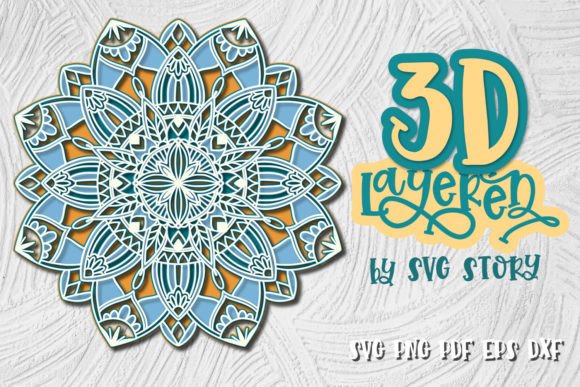
- Layer Separation: Each component of the letter (e.g., base, shadow, outline) is typically separated into distinct layers. This allows for individual manipulation, which is essential for achieving the right look depending on the material being used.
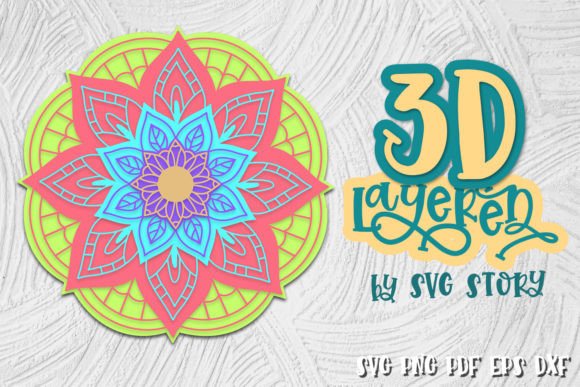
- Material Compatibility: Depending on your project, you might choose to print the layers on different materials—such as metallic foil for the outer layer and matte paper for the inner—to enhance the 3D effect.
- Software Proficiency
Whether you're using Adobe Illustrator for vector edits, Inkscape for open-source design, or a cutting machine for tangible outputs, knowing how to handle layered files effectively is key. Most modern software supports layer visibility toggles and alignment tools, which help in arranging the components precisely before finalizing the design.
Recommendations for Getting Started
If you're new to working with 3D layered letters, here are a few tips to maximize your experience:
- Start with simple projects, like greeting cards or wall art, to understand how layers interact and affect the final result.
- Experiment with different materials and substrates to see how the layered effect changes based on texture and thickness.
- Use the included PNG files for digital previews so you can visualize the outcome before committing to a physical prototype.
- Always test the design on a small scale first, especially if you're using a cutting machine. Adjusting line weights or spacing can prevent issues during mass production.
As you become more comfortable with these files, you’ll find that the possibilities expand dramatically—from branded merchandise to architectural elements, the applications are limited only by your imagination.
Future Outlook and Creative Possibilities
Looking ahead, the integration of 3D elements into everyday design is likely to continue growing. With advancements in AI-assisted design tools and the increasing affordability of laser and vinyl cutting machines, multilayered letters could soon become a staple in both personal and commercial projects.
Moreover, as remote collaboration becomes the norm, sharing layered design files via cloud services or direct downloads is more efficient than ever. This means teams across industries can quickly iterate and refine designs without needing to be in the same room—or even country.
For educators, these designs also offer a powerful teaching aid. By incorporating layered letters into classroom activities, students can learn about design principles, layer management, and the intersection of digital and physical craftsmanship all in one engaging project.
Final Thoughts on 3D Layered Letter Design
The 3D layered letter represents a fusion of artistry and technology, offering something that static text simply cannot. Its multilayered nature provides depth, customization, and adaptability, making it a valuable addition to any designer’s toolkit. Whether you're producing a brand identity, creating event decorations, or just exploring new design techniques, these files give you the power to bring ideas to life with precision and flair.
At SVGStory, we take pride in offering original, hand-drawn designs that are optimized for performance and aesthetics. Our 3D layered letters are crafted to meet the highest standards, ensuring smooth cuts, clean lines, and a professional finish every time. And with support for SVG, EPS, DXF, and PNG formats, you're never limited by the tools you have on hand.
Ready to elevate your next project? Explore our collection of 3D layered letters and discover how a multilayered design can transform your creative output. If you need anything beyond the standard formats, don’t hesitate to contact us—we’re here to help you bring your vision to life.
⬇️ Download FreeFree download · No sign-up required🔗 You Might Also Like
ShapesDESIGN INCLUDES ۞ SVG Files ۞ EPS Files ۞ DXF Files ۞ PNG Files ❀---------------...ShapesDESIGN INCLUDES ۞ SVG Files ۞ EPS Files ۞ DXF Files ۞ PNG Files ❀---------------...ShapesDESIGN INCLUDES ۞ SVG Files ۞ EPS Files ۞ DXF Files ۞ PNG Files ❀---------------...ShapesDESIGN INCLUDES ۞ SVG Files ۞ EPS Files ۞ DXF Files ۞ PNG Files ❀---------------...ShapesDESIGN INCLUDES ۞ SVG Files ۞ EPS Files ۞ DXF Files ۞ PNG Files ۞ PDF Files ❀---...