3D Layered Shell Nautical SVG Design: A Practical Guide to Integration and Use
The 3D Layered Shell Nautical SVG Design is a versatile digital asset tailored for users working with cutting machines such as Cricut, Silhouette, or laser cutters. This design captures the essence of marine themes through an intricate, layered shell motif that adds depth and realism to any project. It’s ideal for creative professionals, educators, hobbyists, and entrepreneurs who want to incorporate high-quality nautical elements into their work without sacrificing precision or aesthetic appeal.
Understanding the 3D Layered Shell Nautical SVG Design
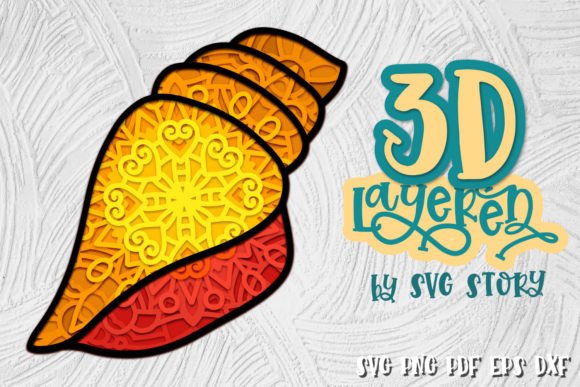
At its core, this SVG design is more than just a flat illustration—it’s a multi-layered representation of a shell in three-dimensional form. Each layer has been carefully crafted to ensure clean lines and smooth cuts when used on materials like vinyl, cardstock, acrylic, or wood. The design is part of a broader collection from SVGStory, which emphasizes originality and usability across various applications.
Whether you’re designing signage for a coastal business, creating themed decorations for an event, or crafting personalized gifts, the 3D Layered Shell Nautical SVG Design offers a refined visual that stands out. Its structure allows for customization at different depths, giving your final product a dynamic look that mimics real-world textures.
Where This Design Fits in Your Workflow
This type of SVG file is particularly useful during the planning and execution stages of a creative or commercial project. For example:
- Before production: Use the design in mockups or prototypes to visualize how it will appear on the final material.
- During production: Import the SVG layers directly into your cutting software and adjust settings for optimal performance.
- After creation: Apply the finished pieces to signage, packaging, or promotional items to enhance branding or aesthetics.
Because it supports multiple formats—including SVG, EPS, DXF, PNG, and PDF—this design can be adapted to suit both digital and physical needs. Educators might use the PNG version for classroom handouts, while designers working with vector tools could benefit from the EPS or DXF files for scaling and editing purposes.
Compatibility and Preparation Tips
To get the most out of your 3D Layered Shell Nautical SVG Design, it's important to confirm compatibility with your equipment. Most modern cutting machines support SVG files, but if yours requires EPS or DXF, those are also included in the package. Before starting your project, always check the supported file types of your machine and software.
Additionally, since the files are provided in a ZIP archive, make sure you have a program installed to extract them. Common tools include WinZip, 7-Zip, or built-in features in Windows and macOS. Once extracted, organize the files by project or format to streamline access and avoid confusion later on.
If you're unsure about the best way to implement the design, contact the provider for guidance. Customization options may be available depending on your specific requirements, and they can help you choose the right file type for your task.
Integration with Other Tools and Resources
SVG files often serve as the foundation for larger projects. The 3D Layered Shell Nautical SVG Design can be combined with other vector graphics, text elements, or background images using design platforms like Adobe Illustrator, Inkscape, or even online editors like Canva. These tools allow you to modify colors, add gradients, or integrate the shell design into a more complex layout.
For businesses or marketers, consider how the shell motif aligns with your brand identity. If you're promoting a maritime-themed product line, this design can be used across multiple touchpoints—from website headers to printed brochures. The inclusion of PNG files makes it easy to preview the design before printing, while PDF versions offer a ready-to-use format for direct print jobs.
In educational contexts, teachers and students can use the design to create engaging learning materials. For instance, science classrooms studying oceanography or marine biology could incorporate these shells into posters or interactive models. The layered aspect encourages discussion about depth perception and design complexity, making it a valuable teaching aid.
Practical Implementation Examples
Let’s explore a few scenarios where the 3D Layered Shell Nautical SVG Design can be effectively implemented:
Scenario 1: Crafting Nautical-Themed Decorations
A small business owner planning a summer-themed store display might use this design to create eye-catching wall art. Here’s how:
- Extract the SVG files from the ZIP archive.
- Open the design in Silhouette Studio or similar software.
- Adjust the size to fit the desired space on the wall.
- Select the appropriate material (e.g., foam board for added dimension).
- Use the layered components to build a realistic 3D effect when assembled.
Once completed, the design not only elevates the visual appeal of the space but also reinforces the brand’s thematic consistency.
Scenario 2: Enhancing Product Packaging
An entrepreneur launching a new line of sea-salt-infused skincare products wants to give the packaging a unique nautical flair. They might follow this workflow:
- Import the SVG design into Adobe Illustrator.
- Edit the color scheme to match the product branding.
- Export the final graphic as a PDF for print-ready packaging templates.
- Integrate the design with other vector elements like waves or anchors for a cohesive look.
This approach ensures the packaging design is professional, consistent, and aligned with the product’s theme. The ability to scale the design without losing quality is especially beneficial for large-scale printing or varying box sizes.
Scenario 3: Educational Materials and Classroom Projects
A teacher preparing a lesson on marine ecosystems might use the design to create an interactive poster:
- Print the PNG version for a reference image.
- Have students trace the outline using paper and pencils as a hands-on activity.
- Encourage them to experiment with the SVG file in a design tool to understand layering and vector editing.
- Use the final designs in a classroom display or science fair exhibit.
This method supports cross-disciplinary learning, blending art and science while reinforcing technical skills related to digital design.
Factors to Consider for Long-Term Use
When incorporating the 3D Layered Shell Nautical SVG Design into your long-term projects or workflows, keep the following factors in mind:
- Preparation: Always back up your original SVG files and maintain a version history if making edits over time.
- Usability: Test the design on different materials and machines to determine the best settings for clean, accurate cuts.
- Organization: Store the design in a clearly labeled folder alongside other assets to avoid duplication and save time.
- Efficiency: Pre-cutting and assembling the layered components can speed up future projects that require the same design.
- Consistency: Use the design in multiple formats consistently across all marketing and product collateral for brand alignment.
- Quality Control: Review the final output after each use to ensure no degradation in detail occurs due to improper scaling or handling.
By keeping these considerations in mind, you’ll be able to maximize the value of the design and reduce potential errors or delays in your workflow.
Enhancing Creativity and Decision-Making
Creative processes often involve decision-making at various stages, and having a design like the 3D Layered Shell Nautical SVG Design can influence those choices positively. For instance, when deciding on a logo or icon for a coastal-themed venture, the presence of a detailed shell motif can spark ideas around color palettes, complementary symbols, and overall style direction.
Designers may also find themselves revisiting this file for inspiration. The layered nature of the design encourages experimentation with negative space, texture overlays, and lighting effects. These elements can lead to innovative adaptations beyond the initial purpose of the file.
Entrepreneurs and marketers can leverage the design as a key component in their visual storytelling strategy. By integrating the shell into social media posts, email newsletters, or product labels, they reinforce a strong, recognizable brand image tied to the sea.
Conclusion: Smooth Implementation for Real-World Results
The 3D Layered Shell Nautical SVG Design is more than just a decorative element—it's a functional asset that can elevate your creative output and streamline your workflow. Whether you're using it for personal DIY projects, professional signage, or educational materials, the design’s adaptability and attention to detail make it a valuable addition to your digital toolkit.
Its compatibility with a wide range of cutting machines and design software means it can fit seamlessly into your existing process. With careful preparation, thoughtful integration, and an eye for organization, you can ensure this design remains a reliable and reusable resource for years to come.
Remember, the goal isn’t just to use the design—but to use it effectively. That means testing it in your environment, understanding its limitations, and applying it where it adds the most value. The result is not only better-looking projects but also more efficient and consistent outcomes across your work.