Enhancing Design Projects with a 3D Rendered Gold Star
In the world of graphic design and visual storytelling, symbols play a crucial role in conveying messages effectively. Among these, the 3D rendered gold star stands out as a powerful emblem that can elevate the aesthetics and meaning of any project. Whether used to highlight achievement, signify excellence, or simply add an element of elegance, this digital asset has become a staple for professionals across various industries. A 3D rendered gold star perfect for design projects is not just a static image—it’s a dynamic object that brings brightness, sophistication, and clarity to compositions.
The Characteristics of a 3D Rendered Gold Star
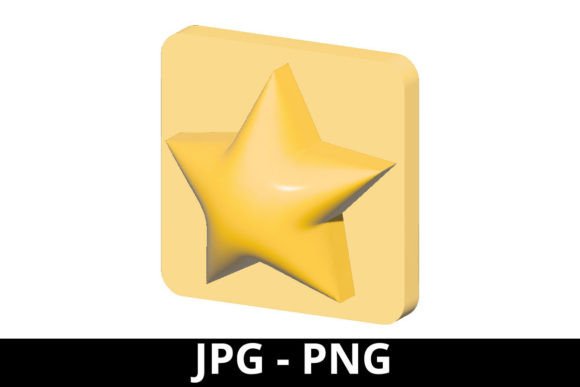
A 3D rendered gold star is more than just a flat graphic; it's a meticulously crafted visual object that simulates depth, texture, and light. This makes it ideal for both print and digital media where high-quality imagery is essential. The star typically features a five-pointed shape, sharp corners, and a symmetrical structure that radiates balance and order. These geometric qualities contribute to its universal appeal and recognition as a symbol of success and reward.
One of the defining aspects of a well-crafted 3D gold star is its reflection. High-end renderings capture how light interacts with the metal surface, producing subtle highlights and shadows that give the illusion of real-world material. The golden hue—often a rich shade of yellow—is enhanced through realistic lighting to create a bright and shiny appearance. This attention to detail ensures that the star doesn’t just look good but also feels authentic within the context of a design.
Advantages of Using a 3D Rendered Gold Star in Design
- Visual Impact: The 3D rendered gold star commands attention without being overwhelming. Its brilliance and symmetry make it a standout element in any composition.
- Versatility: With formats like JPG and PNG available in a ZIP folder, the star can be adapted for multiple uses—from website banners to print badges.
- Symbolic Value: Representing achievement, success, and excellence, the gold star is universally understood and can communicate complex ideas at a glance.
- Professional Quality: The use of a rendered object adds a layer of professionalism to any project, whether it’s a product rating system, an educational badge, or a promotional emblem.
Use Cases Across Industries
The 3D rendered gold star finds applications in a wide range of fields. In education, it serves as a graphic signifier of accomplishment on certificates and report cards. For businesses, it can act as a badge or icon representing top performance in internal communications or customer-facing content. Marketing teams might use it as part of an award campaign to emphasize premium products or services. Meanwhile, game developers and app designers often integrate it as a rating symbol or medal for user achievements.
Consider a mobile app interface that rewards users with virtual badges. A 3D rendered gold star would not only serve as a clear indicator of progress but also enhance the overall user experience with its polished and rewarding visual presence. Similarly, in e-learning platforms, such a star could mark completed modules or highlight top performers in a course, adding a touch of elegance and motivation.
Implementation Tips and Best Practices
- Layer Integration: When using a 3D rendered gold star in software like Adobe Photoshop or Illustrator, consider placing it over other graphics to draw focus. Its reflective nature can complement matte backgrounds beautifully.
- Color Contrast: While the star itself is bright and golden, ensure it contrasts well with the surrounding elements. A dark background will allow it to shine more prominently, while lighter ones may require additional shadow effects.
- Scale Appropriately: Depending on the project, adjust the size of the star to maintain visual harmony. It should be noticeable but not overpowering.
- Use Wisely: Avoid overusing the star in a single design. Strategic placement enhances its value and prevents visual clutter.
Real-World Examples
Many companies have successfully incorporated the 3D rendered gold star into their branding. One notable example is a global tech firm that redesigned its employee recognition program around a digital award system. By using a single gold star as the core icon, they were able to unify their messaging and create a consistent sign of achievement across all communication channels.
In another case, a video production agency used a 3D rendered gold star as part of its promotional materials for a new editing tool. Placed subtly in the corner of a banner ad, the star helped convey a message of quality and innovation without distracting from the main content. This demonstrates how even a small, simple design choice can carry significant weight when executed correctly.
Choosing the Right File Format
When working with a ZIP folder containing both JPG and PNG versions of a 3D rendered gold star, understanding the strengths of each format is key. JPG files are best suited for photographs or images with gradients, offering smaller file sizes and decent quality. However, for transparent backgrounds or layered designs, PNG is the preferred option due to its support for alpha channels and lossless compression.
Designers who prioritize simplicity and clarity often prefer PNGs because they allow the star to blend seamlessly into different environments. On the other hand, if speed and compatibility are concerns—such as in web-based projects—JPG might be more practical. Always assess your specific needs before selecting the appropriate file type.
Design Considerations for Different Audiences
While the 3D rendered gold star is a versatile graphic, its application must align with the audience. For instance, educators and researchers may favor minimalistic designs where the star serves as a quiet marker of excellence, while business owners might opt for bolder placements to celebrate milestones and winners.
Consumers, too, respond well to the symbolism of a gold star. In retail or service industries, it can indicate a product’s top-tier status or a customer’s loyalty level. Creators and hobbyists might use it as a personal emblem or logo element to represent their passion and dedication.
Professionals in the entertainment sector frequently employ the gold star as a graphic motif in posters, thumbnails, and title sequences. Its association with awards and ratings makes it an effective visual cue for audiences to quickly grasp the theme or tone of a project.
Trends in 3D Rendering and Graphic Design
As technology advances, so does the art of 3D rendering. Today’s 3D rendered gold stars are created using sophisticated software that allows for fine-tuned control over lighting, texture, and perspective. This results in assets that are not only visually stunning but also highly adaptable to various design contexts.
Current trends suggest a move towards realism in graphic design, especially in sectors like advertising, gaming, and e-commerce. The 3D rendered gold star fits perfectly into this trend, offering a lifelike representation of a classic symbol. Designers are increasingly leveraging such assets to add depth and authenticity to otherwise flat layouts.
Moreover, the rise of remote work and digital collaboration has increased demand for ready-to-use design elements. Having access to a ZIP folder with multiple file types ensures that creators can quickly implement the star into their workflows without compromising on quality or flexibility.
Creating Meaning Through Design
At its core, the 3D rendered gold star is more than just an ornament—it’s a visual language tool. It speaks to concepts of success, reward, and rating in a way that transcends text. This makes it particularly valuable in international or multilingual projects where symbols can bridge cultural and linguistic gaps.
For instance, a global competition platform might use the gold star to denote winners across different regions, ensuring a cohesive identity despite varying languages and scripts. The symmetry and beauty of the star also make it suitable for minimalist design styles, where every element must serve a purpose and maintain simplicity.
Technical Aspects and File Management
Managing design assets efficiently is vital for productivity. A ZIP folder containing both JPG and PNG versions of a 3D rendered gold star streamlines the process by providing instant access to compatible formats. This is especially useful when preparing content for different platforms—web, print, social media—that may require distinct image types.
It’s important to organize these files properly within the ZIP folder, perhaps labeling them according to resolution, background type (transparent vs. opaque), or intended use. This helps prevent confusion during the design phase and ensures that the right version is selected for the right task.
Additionally, consider the aspect ratio and orientation of the star when extracting and using it. Some applications may require square dimensions, while others benefit from horizontal or vertical alignment. Being mindful of these details ensures that the 3D rendered gold star integrates smoothly into the final output.
Tools for Working with 3D Rendered Graphics
To fully leverage the potential of a 3D rendered gold star, familiarity with certain tools is beneficial. Programs like Blender, Maya, and Cinema 4D offer robust 3D modeling and rendering capabilities, allowing designers to tweak the star’s position, angle, and lighting dynamically. Even those without advanced 3D skills can benefit from pre-rendered assets by importing them into 2D design software like Photoshop or Figma for further customization.
For educators and hobbyists, many online platforms provide easy-to-use editors that enable basic adjustments to 3D objects. These tools often include drag-and-drop interfaces, making it possible to place the star into presentations, infographics, or marketing collaterals with minimal effort. The ability to modify reflections, scale, and background integration opens up creative possibilities for even novice users.
Conclusion
The 3D rendered gold star is a timeless yet modern design element that continues to evolve with advancements in rendering technology. Its five-pointed form, symmetry, and metallic sheen make it a compelling choice for highlighting achievement, elegance, and success. Whether you're a professional designer, a business owner, or a creative enthusiast, incorporating this asset into your projects can significantly enhance visual storytelling and brand messaging.
With the convenience of a ZIP folder containing both JPG and PNG formats, the 3D rendered gold star perfect for design projects is accessible and adaptable to a wide array of needs. Understanding its characteristics, advantages, and implementation strategies ensures that you can use it effectively across different mediums and audiences.