3D Rendered Classic Guitar for Design
If you're looking to add a touch of timeless elegance and artistic flair to your design projects, the 3D rendered classic guitar is an asset that can elevate your visuals in unexpected ways. This digital representation of a musical instrument—specifically a classic acoustic guitar—offers more than just a visual treat; it brings with it a sense of warmth, professionalism, and creativity. Whether you're working on branding materials, editorial layouts, or digital content, this kind of render can become a subtle but powerful storytelling element.
A Visual Symphony: The Appeal of 3D Rendered Guitars
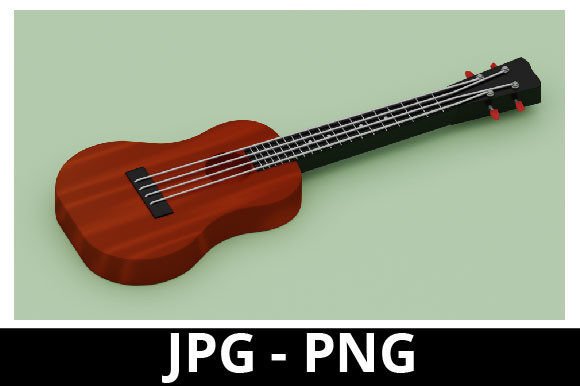
The 3D rendered classic guitar captures the essence of craftsmanship and musical heritage. With its smooth wooden curves, realistic grain textures, and accurate lighting effects, it exudes a charm that’s both nostalgic and contemporary. These renders are often created in high resolution and include multiple formats such as JPG and PNG, ensuring flexibility across different platforms and media types.
One of the most appealing aspects of these assets is their isolation. The guitar is typically presented against a clean background, making it easy to integrate into various designs without clashing. Its minimalistic presentation allows the object to speak for itself, drawing attention while maintaining balance within the composition.
In terms of color and style, the brown tones and natural wood finishes of the 3D rendered classic guitar align well with themes like jazz, folk, melody, and musician culture. It's not just about aesthetics—it's about evoking emotion and connecting with audiences who appreciate the artistry behind music and design alike.
Where This Asset Shines in Creative Projects
The versatility of a 3D rendered classic guitar makes it ideal for a wide range of applications. In logo design, it can serve as a symbol for music schools, bands, or audio equipment brands. For editorial design, it adds a visual anchor to articles about songwriting, tuning techniques, or the history of the acoustic guitar.
In packaging design, especially for artisanal or vintage-inspired products, the presence of a classic guitar can enhance perceived value and evoke a sense of authenticity. When used in web design, it can help create landing pages for music-related services or instruments, contributing to a cohesive and immersive user experience.
Social media graphics benefit from the guitar’s ability to convey both simplicity and sophistication. A single image featuring a 3D render of a bass or string instrument can communicate creativity and passion in a way that text alone cannot. It also works well in promotional content for concerts, music festivals, or online courses related to playing the guitar or understanding classical melodies.
Branding and Recognition Through Visual Consistency
Consistency is key in building a strong brand identity. Using a 3D rendered classic guitar as part of your design language helps reinforce brand perception by associating your message with qualities like tradition, quality, and artistry. If your business revolves around music production, teaching, or even crafting custom guitars, having this asset at your disposal ensures that every piece of content—from print to digital—carries a unified look.
This kind of consistency doesn’t just make your brand more recognizable; it builds trust. Audiences begin to associate the visual motif with your values, whether it’s the dedication to sound quality or the appreciation of musical history. The guitar isolated in a minimalist setting supports this by avoiding visual clutter and keeping the focus on the core message.
Designing with Purpose: Readability and Hierarchy
While the primary use of a 3D rendered classic guitar may not be for text, its placement and styling within a layout can significantly affect readability and visual hierarchy. Placing the render subtly in the background or using it as a decorative border can guide the viewer’s eye toward important content areas, enhancing engagement without overpowering the design.
For instance, if you’re creating a poster for a jazz concert, positioning the guitar near the event title or artist name can establish a clear focal point. Similarly, in a magazine spread discussing the evolution of the acoustic guitar, integrating the render alongside historical facts or chord diagrams can create a more engaging narrative.
When designing for audience engagement, consider how the guitar’s presence influences the mood. A wooden guitar render in a muted tone might suit a serious article about classical music, while a brighter, more detailed version could work better for a lively blog post about strumming techniques or folk melodies.
Practical Tips for Choosing and Using This Asset
- Evaluate project fit: Consider the context of your design. Does the guitar support the theme? Will it resonate with your target audience?
- Review included styles: A ZIP folder containing JPGs and PNGs means you can choose between transparency and solid backgrounds depending on your needs.
- Test font pairings: While the render itself isn’t a font, pairing it with a premium typeface—like a serif or sans serif font—can create a harmonious visual balance. Avoid script fonts unless they match the organic feel of the render.
- Consider readability: Ensure that the render doesn’t obscure important text or interfere with legibility. Use layering or opacity adjustments to maintain clarity.
- Understand commercial licensing: Before using the 3D render in any paid project, verify the license terms. Some folders include rights for personal use only, while others allow full commercial application.
Real-World Applications and Creative Possibilities
Let’s take a closer look at some practical examples. A small music school might use the 3D rendered classic guitar in its website header to immediately signal its specialization. A podcast about songwriting could feature the render in episode thumbnails, helping listeners connect emotionally before even hearing the content.
In product photography for musical instrument retailers, a 3D render can be layered behind physical products to add depth and dimensionality. This technique enhances the overall aesthetic and gives the impression of a curated, professional environment.
Another great use case is in educational content. A tutorial on how to play chords could benefit from showing a classic guitar in 3D render form, illustrating finger positions or string details in a way that complements written or spoken instructions.
Why This Matters for Designers and Marketers
As a designer or marketer, your goal is to create content that not only looks good but also tells a story. The 3D rendered classic guitar is more than just a static image—it’s a design asset that carries meaning. It represents melody, musicianship, and melody-making. When used thoughtfully, it can transform a simple graphic into something memorable.
Its adaptability makes it suitable for both minimalist and maximalist design approaches. In a modern typography layout, it can serve as a counterpoint to sleek, geometric fonts. In a more traditional setting, it pairs beautifully with handwritten or script fonts to create a warm, inviting atmosphere.
Moreover, the inclusion of a realistic 3D guitar in your portfolio or client presentations can showcase your attention to detail and your ability to incorporate complex elements seamlessly. It’s a silent statement of professionalism and creativity.
Final Thoughts on Incorporating the 3D Rendered Classic Guitar
The 3D rendered classic guitar is a versatile and expressive design tool. Whether you're crafting a logo for a music band, designing a brochure for a concert series, or developing marketing materials for a new line of string instruments, this asset can bring a unique level of sophistication to your work.
Remember, the best design assets are those that feel intentional. Don’t force the guitar render into every project—use it where it naturally fits and enhances the message. When done right, it can help you build stronger connections with your audience, improve visual storytelling, and stand out in a competitive creative landscape.