3D Rendered Tennis Set for Design
When it comes to visual design, having the right assets can make all the difference. A 3D rendered tennis set for design is a powerful tool that offers realistic and editable components of a tennis environment—perfect for creating eye-catching visuals without stepping onto a real court. Whether you're designing promotional materials for a tournament or illustrating a training routine, these 3D elements bring your project to life with unmatched detail and flexibility.
What Is a 3D Rendered Tennis Set?
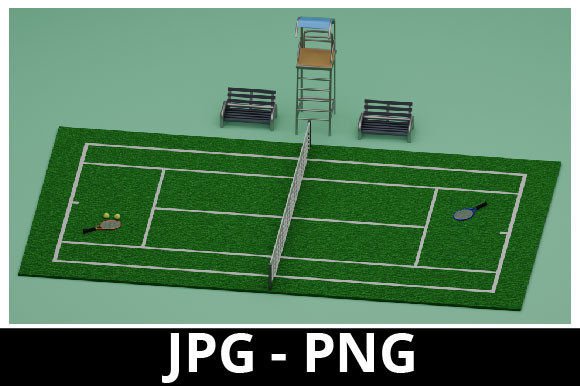
A 3D rendered tennis set typically includes high-quality digital assets like tennis rackets, balls, nets, courts, umpire chairs, and even athletes in motion. These items are created using 3D modeling software and then rendered into photorealistic images. The result is a collection of objects that look as if they were captured on an actual tennis court but come with the advantage of being fully customizable and scalable.
The ZIP folder accompanying such sets often contains multiple file formats, including JPG and PNG versions of each object. This makes it easy to integrate them into various design platforms, from graphic editors like Photoshop to presentation tools like PowerPoint. You can choose between transparent backgrounds (PNG) for seamless overlays or solid color images (JPG) for more straightforward use.
Real-World Applications of 3D Rendered Tennis Sets
These sets aren't just for show—they serve practical purposes across many industries. Here’s how different professionals might use them:
- Marketing Teams: Promote upcoming matches, sponsorships, or events by incorporating realistic tennis imagery into posters, social media graphics, and email campaigns.
- Game Developers: Use the racket, ball, and court models to build immersive sports environments or mini-games within larger applications.
- Graphic Designers: Create infographics about tennis training, fitness routines, or historical moments in Wimbledon with accurate and visually appealing elements.
- Educational Institutions: Develop engaging learning materials about physics, anatomy, or sports history by integrating 3D tennis visuals into presentations or study guides.
- Fitness Brands: Showcase exercise techniques related to tennis, like serving drills or footwork patterns, using isolated 3D objects for clarity and impact.
Case Study: Advertising a Local Tournament
Imagine you’re tasked with promoting a local tennis championship. Instead of relying on stock photos or hiring photographers for specific shots, you could download a 3D rendered tennis set and assemble your own scenes. Place a champion athlete in front of a Wimbledon-style net, add a few tennis balls mid-air, and include an umpire chair for authenticity. You now have a unique, professional-looking image tailored exactly to your event's branding.
Designing for Print vs. Digital Media
Depending on your project's medium, the way you utilize the 3D render set will vary slightly. For print, ensure that all images are high resolution and color-calibrated to match your printer's capabilities. In digital work, transparency and layer compatibility become key factors. For example, when creating a website banner featuring a tennis court background, using PNG files allows you to blend the court seamlessly with your site's color scheme.
Who Can Benefit Most?
Anyone working on a tennis-related design project can find value in a 3D rendered tennis set. But certain users may benefit more due to the nature of their work:
- Event Planners: Need visuals for invitations, banners, or social posts? This set gives you everything from the arena layout to the tournament logo placement options.
- Product Designers: Looking to showcase a new line of tennis gear? Use 3D renders of rackets and balls to highlight product features against clean or dynamic backgrounds.
- Content Creators: Whether it's for YouTube thumbnails, Instagram stories, or TikTok clips, these assets help maintain a consistent theme while adding a professional edge.
- Architects and Urban Planners: Visualizing outdoor spaces with tennis courts? The ground textures, nets, and court outlines provide realistic context for your blueprints.
Example: Explaining Serve Mechanics
If you're creating content for a sports science blog, a 3D tennis racket and ball can be used to demonstrate proper serve mechanics. By isolating the racket in action and placing it next to a simplified diagram of body posture, you give readers a clear, visual understanding of the technique. The realism of the 3D render helps bridge the gap between theory and practice, making complex ideas more digestible.
Key Considerations Before Using a 3D Rendered Tennis Set
Before diving into a design project with a 3D rendered tennis set, there are a few things to keep in mind:
- File Formats: Make sure the included JPG and PNG files suit your needs. If you need vector-based edits, check if SVG or AI files are also available.
- Resolution: High-resolution assets are essential for print projects or large-scale displays. Always confirm the DPI (dots per inch) before finalizing your layout.
- Licensing: Understand the usage rights. Some sets allow commercial use, while others are strictly for personal or editorial purposes.
- Software Compatibility: If you plan to edit the assets further, ensure they work well with your preferred design tools. Many 3D rendering packages include layers and editable components.
Choosing the Right Set for Your Project
Not all 3D tennis sets are created equal. When selecting one, consider what aspects of the sport you need most. Do you require close-up details of a tennis ball's texture? Or would a full court scene with lighting effects and crowd shadows be more useful? Look for sets that offer variety—some may specialize in equipment, while others focus on the overall atmosphere of a match or training session.
Strengths and Limitations of 3D Rendered Assets
One of the biggest strengths of a 3D rendered tennis set is its versatility. Unlike traditional photography, these assets can be manipulated in countless ways. You can change the angle, lighting, color, and even scale to fit any design requirement. This is especially helpful when trying to visualize a concept that hasn’t been physically built yet, like a new tennis facility or a virtual reality game space.
However, there are limitations too. While the quality of modern 3D renders is impressive, they still require some skill to place effectively within a composition. Poor alignment or mismatched lighting can break the illusion of realism. Additionally, some sets may lack diversity—for instance, offering only male athletes or a single type of racket. Be sure to review the contents carefully to avoid these issues.
When Realism Isn’t Enough
In some cases, a stylized or cartoonish approach might be better than ultra-realistic 3D renders. If you're targeting younger audiences or creating a fun, casual post about tennis, a more playful aesthetic could resonate better. Fortunately, many 3D render sets allow you to tweak colors and shapes, enabling you to adjust the style to your brand or message.
Integrating 3D Tennis Elements Into Everyday Projects
Here are a few everyday scenarios where a 3D rendered tennis set can elevate your work:
- Infographics: Showcasing the history of tennis? Use a classic racket or a Wimbledon-themed court to add visual interest.
- App Mockups: If you're developing a sports app, populating your mockup with realistic tennis assets can help stakeholders visualize the end product.
- Training Materials: Illustrate correct form during a backhand stroke or how players position themselves during a serve. These visuals can greatly enhance comprehension.
- Website Headers: A tennis court render with a green field and net can instantly communicate the theme of a sports-oriented page or landing zone.
Observation: The Power of Context
One of the overlooked benefits of using a 3D tennis set is the ability to create context. A simple tennis ball doesn’t mean much alone, but when placed on a grass court next to a racket and a distant opponent, it tells a story. This kind of storytelling through design is invaluable in fields like advertising, education, and e-commerce, where engagement and clarity are paramount.
Final Thoughts on Usage and Impact
Whether you're illustrating a championship moment, building a game concept, or just looking to add a touch of sporty flair to your designs, a 3D rendered tennis set can be a game-changer. It combines the best of both worlds: the realism of professional photography with the adaptability of digital assets. From the ground textures to the racket handles, every element is crafted to reflect the nuances of the sport, helping designers craft compelling visuals that speak directly to their audience.