Islamic Ornament Vector: A Practical Guide for Designers and Creators
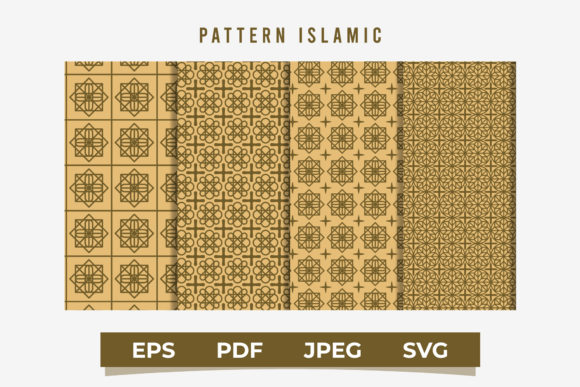
Islamic ornament vector designs are a rich and intricate form of visual art that has been used for centuries to decorate everything from architecture to textiles. These patterns, often based on geometric shapes, floral motifs, and arabesque elements, reflect the cultural and spiritual heritage of Islamic art. In today’s digital age, these traditional designs have evolved into scalable, editable formats such as EPS, SVG, PDF, and JPG, making them accessible and adaptable for modern creative workflows.
Understanding Islamic Ornament Vector Files
An Islamic ornament vector is a digital design created using mathematical precision and symmetry. Unlike raster images (like JPEGs or PNGs), vector graphics maintain their clarity at any size, which is crucial for projects ranging from small business logos to large-scale architectural renderings. When you download an Islamic ornament vector pattern fill—often available in bundles of 4 files including EPS 10, SVG, PDF, and JPG—you gain flexibility and control over how the design is applied.
The EPS 10 file format, particularly, is ideal for professional use due to its compatibility with Adobe Illustrator. This makes it easy for designers to manipulate colors, scale the design without losing quality, and integrate it into various layouts. The other formats like SVG, PDF, and JPG offer additional uses depending on the platform or purpose—SVG for web integration, PDF for print-ready documents, and JPG for quick sharing or background fills.
Integration into Creative Projects
Whether you're designing a website, creating marketing materials, or working on a personal project, Islamic ornament vectors can enhance your work with elegance and authenticity. Here's how they fit into different stages of a creative process:
- Before the Project: Use Islamic ornament vector designs during the brainstorming phase to set a visual tone or theme. They can help align your creative direction with cultural or aesthetic goals.
- During the Project: Incorporate the vector files directly into your design software. Because they’re vector-based, you can easily adjust the size, color, and placement to match your layout requirements.
- After the Project: Reuse or repurpose the designs for future projects, such as updating branding materials or adding decorative elements to new content. Their scalability ensures they remain high-quality regardless of where they’re applied.
Use Cases Across Industries
Islamic ornament vectors find practical applications in a variety of fields:
- Graphic Design: Ideal for backgrounds, headers, and decorative accents in posters, brochures, and invitations.
- Web Development: SVG files allow for responsive design, ensuring that the ornament adapts smoothly across different screen sizes and resolutions.
- Architecture and Interior Design: EPS files can be used in CAD software to incorporate ornamental details into building plans or room layouts.
- Education and Publishing: Add sophistication to educational materials, books, or presentations by embedding subtle Islamic motifs within illustrations or page borders.
- Entrepreneurship and Branding: Small businesses and startups can leverage these patterns to create culturally resonant visuals that stand out while maintaining professionalism.
Working with Islamic Ornament Vector Pattern Fills
A common offering includes four file types: EPS 10, SVG, PDF, and JPG. Each serves a specific function and fits into different parts of your workflow:
- EPS 10: Best opened in Adobe Illustrator. This format allows full editing of paths, colors, and layers, giving you complete control over the final output.
- SVG: Perfect for digital platforms, especially when you need the design to be interactive or responsive. It works well in web design and mobile app development.
- PDF: Useful for print and presentation purposes. You can embed it into reports, proposals, or even slide decks for a polished look.
- JPG: Quick and simple for situations where you don’t need to edit the design. Great for social media posts, email templates, or basic image overlays.
When working with these files, always start with the EPS version if possible. Its editable nature allows for precise adjustments before exporting to other formats. For instance, if you want to change the color scheme of an ornament to match your brand identity, opening the EPS in Illustrator gives you the freedom to do so without compromising quality.
Workflow Tips for Seamless Integration
To make the most of Islamic ornament vector patterns, consider the following tips:
- Organize Your Assets: Keep all versions of the same design together in a dedicated folder. Label each file clearly based on its format and intended use.
- Test Compatibility: Before finalizing a project, ensure the design looks good across all platforms and devices. Test SVG files on multiple browsers and preview PDFs on different screens.
- Layer Management: If using the EPS file in Illustrator, keep the design on a separate layer so you can toggle visibility or apply effects independently.
- Consistency in Style: Maintain a consistent look by using the same ornament style across related projects. This helps reinforce brand identity and visual harmony.
- Quality Control: Always check the resolution and clarity of JPG exports. While vector files are scalable, the JPG should still meet your minimum quality standards for the intended medium.
Customization and Adaptation
One of the key advantages of using Islamic ornament vector files is the ability to customize them. Since the text in these files is uneditable, focus your changes on the visual elements. You can:
- Rearrange individual components of the pattern to suit different compositions.
- Adjust line weights and spacing for better contrast or readability.
- Incorporate the design into larger compositions by combining it with other vector assets or photos.
- Apply gradients, shadows, or textures to modernize the look while preserving the original structure.
Designers often use these ornaments as a base and then build around them—whether adding typography, integrating them into UI elements, or using them as part of a repeating tile pattern. The key is to maintain the integrity of the design while adapting it to serve the current project needs.
Example Workflow for Marketing Materials
Here’s a real-world example of how Islamic ornament vectors might be used in a marketing campaign:
- Download the EPS 10 file and open it in Adobe Illustrator.
- Edit the color palette to align with the client’s brand guidelines.
- Import the modified design into Canva or another design tool to place it behind text or logo elements in a brochure layout.
- Export the final design as a PDF for print and an SVG for use on the company’s website.
- Save the JPG version for social media previews and promotional emails.
This approach ensures the ornament complements the overall design rather than overwhelming it. By treating the pattern as a foundational element, you maintain balance and aesthetics throughout the project.
Choosing the Right Format for Your Needs
Selecting the correct file type depends on your project's scope and medium. For instance:
- If you’re preparing a poster for print, go with PDF or high-resolution JPG after making necessary edits in EPS or SVG.
- If you need the design to be dynamic and scalable online, SVG is the best option.
- For complex edits involving multiple layers or objects, EPS provides the most flexibility.
Always consider the end goal before choosing a format. Some tasks may require more than one version of the same design. Keeping this in mind early in your planning stage will streamline your implementation and reduce unnecessary rework later.
Long-Term Use and Asset Management
Because Islamic ornament vectors are reusable and timeless, managing them effectively is important. Store the original EPS file in a central design repository so it remains editable for future use. When exporting for different purposes, keep track of the settings and parameters used to ensure consistency across all outputs.
For educators and bloggers who frequently update content, having a library of Islamic ornament vectors in multiple formats can save significant time. Instead of recreating similar designs from scratch, you can quickly pull up a saved file, tweak it as needed, and integrate it into the latest project.
Best Practices for Implementation
When implementing Islamic ornament vector designs into your work, keep the following best practices in mind:
- Plan Ahead: Know where and how the design will be used before downloading. This helps you choose the right format and avoid unnecessary conversions.
- Respect Cultural Context: Ensure the design is appropriate for the context in which it will appear. Misuse could lead to unintended perceptions or backlash.
- Optimize for Performance: When using SVG files on websites, optimize them using tools like SVGO to reduce file size and improve load times.
- Backup Original Files: Never overwrite the original EPS file. Save edited versions under a new name to preserve the source material for future modifications.
- Stay Organized: Create a naming convention for your files that reflects their use case, date, and any customizations made.
Combining with Other Tools and Resources
Islamic ornament vectors work well alongside other design tools and resources. For example:
- Use Adobe Photoshop to add texture or blend modes to the JPG version for enhanced visual appeal.
- Integrate the SVG file into Figma or Sketch for collaborative design processes.
- Pair the design with stock photos or custom illustrations to create a cohesive composition.
- Embed the ornament in PowerPoint or Google Slides for elegant presentation templates.
By understanding how these files interact with other software and assets, you can expand your creative toolkit and produce more professional results in less time.
Conclusion
Islamic ornament vector designs offer a unique way to infuse traditional beauty into modern projects. With four versatile file formats—EPS 10, SVG, PDF, and JPG—these assets can be adapted for nearly any use. Whether you’re a designer, educator, marketer, or hobbyist, knowing how to select, edit, and implement these vectors efficiently will elevate your work and help you stay organized through every stage of the creative process.